

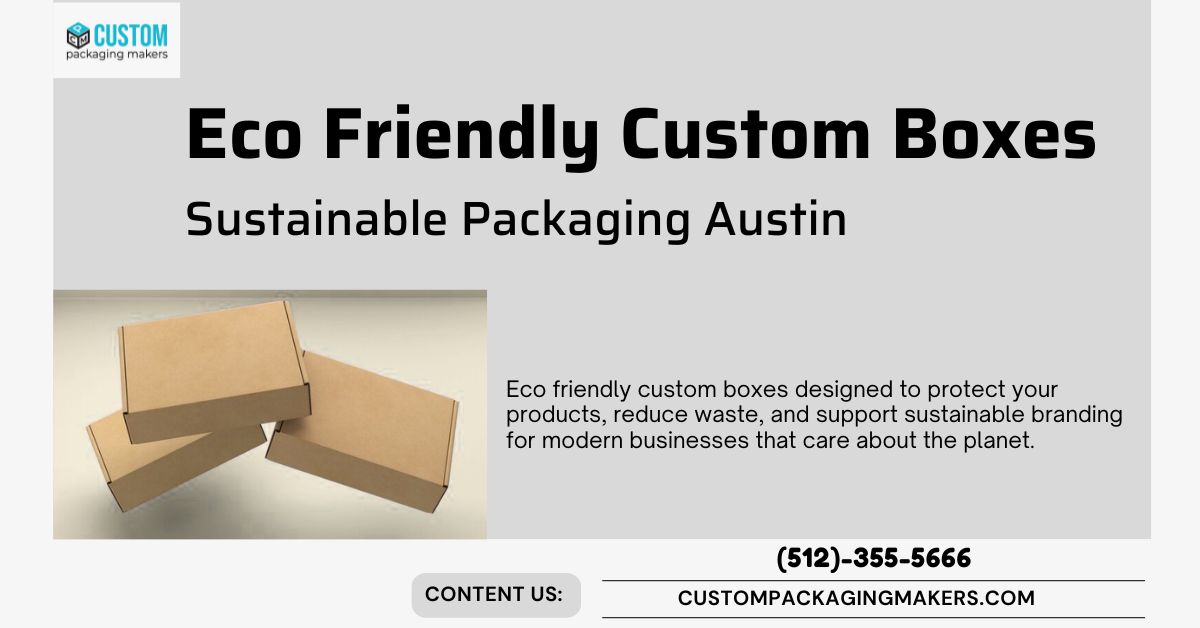
Something’s changing in how businesses think about packaging. Walk into any boutique store in Austin these days and you’ll notice it. The boxes feel different. They look different. They even smell different in a good way like actual paper instead of chemicals and plastic coating. This isn’t just some trend that’ll fade when the next big thing comes along. Eco friendly custom boxes have become essential for businesses that want to connect with customers who actually care about what happens to their planet.
But here’s what makes this whole movement interesting. It’s not just about feeling good anymore. Sustainable packaging boxes actually solve real business problems. They cost less to ship because they’re lighter. They break down instead of sitting in landfills for decades. And customers notice when you make the effort which turns into loyalty you can’t buy with advertising.
The truth is switching to eco friendly packaging feels overwhelming at first. There’s so much information out there and half of it contradicts the other half. What actually counts as sustainable? How do you know if you’re making a real difference or just falling for greenwashing? And most importantly for small business owners how do you do this without blowing your budget? Let’s figure it out together.
Why Eco Friendly Custom Boxes Matter Now More Than Ever
Your customers are paying attention in ways they never did before. They’re reading labels. They’re asking questions. They’re choosing one brand over another based on packaging decisions that companies make. This isn’t limited to hardcore environmentalists anymore. Regular people who just want to do better are looking at how businesses package their products and making judgments about whether those businesses align with their values.
The numbers back this up. Studies show that over seventy percent of consumers actively prefer sustainable packaging when given the choice. More importantly they’re willing to pay a little extra for it. That’s not just market research talking. That’s real money and real opportunities for businesses that get ahead of this shift instead of playing catch-up later.
Recycled custom boxes and other environmentally friendly packaging options have gotten so much better in recent years. The quality gap that used to exist between traditional and sustainable packaging has basically disappeared. You’re not sacrificing protection or aesthetics anymore. In fact some of the most beautiful packaging being produced right now uses recycled paper boxes and natural materials that photograph incredibly well for social media.
Think about the full lifecycle too. Traditional packaging creates waste at every stage. Manufacturing uses virgin materials that require cutting down trees. Shipping heavy boxes burns extra fuel. And at the end everything goes to a landfill where it sits essentially forever. Eco friendly custom boxes flip this entire equation. They use materials that already had a first life. They weigh less reducing transportation impact. And when customers are done with them they can actually break down or get recycled into something new. That’s not just better for the environment. That’s a complete rethinking of how packaging works.
Understanding Different Types of Sustainable Packaging Materials
Let’s break down what you’re actually working with when you choose sustainable packaging boxes. The terminology gets confusing fast and companies throw around terms like biodegradable and compostable without always explaining what they really mean. Understanding the differences helps you make smarter choices for your specific situation.
Recycled cardboard boxes are probably the most straightforward option. These boxes are made from paper and cardboard that’s already been used once processed and turned into new packaging. Post-consumer recycled content means the materials came from actual consumer waste not just scraps from manufacturing. The beauty of recyclable custom boxes is that they perform almost identically to virgin materials while using significantly less energy and resources to produce. Your customers probably won’t even notice the difference in feel or strength.
Biodegradable packaging takes things a step further. These materials will actually break down over time when exposed to bacteria moisture and oxygen. But here’s the catch that trips up a lot of people. Biodegradable doesn’t automatically mean it’ll decompose in your backyard compost pile. Some biodegradable materials need industrial composting facilities with specific temperature and moisture conditions. Others work fine in regular landfills or home compost. You need to be clear about what type you’re using and communicate that honestly to customers.
Compostable packaging boxes represent the gold standard for many businesses. These materials will completely break down into nutrient-rich compost given the right conditions. The key word there is right conditions. Home compostable packaging works in backyard bins. Commercially compostable materials need industrial facilities. Neither one is better than the other but you need to match what you’re offering with what your customers can actually do with it.
Kraft boxes and brown kraft boxes have become incredibly popular in sustainable packaging. Kraft paper uses an unbleached minimally processed approach that maintains the natural brown color. This manufacturing process requires fewer chemicals and less energy than producing bright white boxes. Plus that natural aesthetic has become associated with authenticity and sustainability in customers’ minds. It’s functional and sends exactly the message you want.
FSC certified boxes come from responsibly managed forests where trees are replanted and ecosystems are protected. The Forest Stewardship Council certification means an independent third party verified that the entire supply chain from forest to finished box meets strict environmental and social standards. It’s one of the few certifications that actually means something beyond marketing talk.
The Real Cost of Eco Friendly Packaging
Let’s talk money because that’s what determines whether affordable eco friendly boxes work for your business or remain a nice idea you can’t quite afford. The pricing landscape for sustainable packaging has shifted dramatically over the past few years. What used to cost two or three times more than traditional packaging now often sits within ten to twenty percent of conventional options.
The upfront cost comparison only tells part of the story though. Sustainable shipping boxes typically weigh less than traditional packaging made with virgin materials. That weight difference might seem tiny for a single box but multiply it across hundreds or thousands of shipments and the fuel savings add up fast. Shipping costs are based on dimensional weight and every ounce you can eliminate matters.
Finding cheap sustainable packaging isn’t about cutting corners. It’s about understanding where you can save without sacrificing quality or your environmental goals. For instance wholesale eco friendly boxes offer significant per-unit discounts just like traditional bulk ordering. The key is matching your order quantity to what you’ll actually use within a reasonable timeframe. Sustainable materials have gotten more durable but they’re still paper at the end of the day. You don’t want boxes sitting in storage for years.
Some suppliers now offer eco friendly boxes small quantity options that weren’t available even a couple years ago. This matters enormously for small businesses testing the waters or those with limited storage space. You can order fifty or a hundred boxes instead of being forced into minimum orders of thousands. Yes the per-unit cost is higher but it lets you experiment and find what works before making a major commitment.
Don’t forget to factor in the marketing value. Packaging that aligns with customer values essentially does advertising work for you. When someone posts an unboxing photo and specifically mentions your eco conscious packaging that’s free marketing reaching their entire network. Traditional packaging just sits there. Sustainable packaging tells a story customers want to share.
Designing Beautiful Eco Friendly Custom Boxes
One of the biggest myths about sustainable packaging is that you’re stuck with boring brown boxes and limited design options. That might have been true ten years ago but the industry has completely transformed. Modern eco friendly printed boxes can achieve almost any aesthetic you’re going for while maintaining environmental credentials.
Soy based ink printing has replaced petroleum-based inks in most sustainable packaging operations. Soy inks produce vibrant colors sharp details and they’re made from renewable resources instead of fossil fuels. The colors might look slightly different from traditional inks but different doesn’t mean worse. Many brands actually prefer the slightly softer more natural look that soy inks create.
Sustainable box printing techniques have evolved to include everything from full-color digital printing to beautiful minimalist designs that let the natural material shine through. The constraint of working with renewable packaging materials often pushes designers toward cleaner more intentional aesthetics that actually stand out more than busy traditional packaging.
Custom eco boxes with logo work exactly like traditional custom packaging. You can position your branding wherever it makes sense add product information include instructions for disposal or recycling and create an unboxing experience that delights customers. The main difference is that you’re working with materials and processes that don’t harm the environment.
Minimalism has become a defining aesthetic in sustainable packaging design. Using less ink simpler graphics and minimal waste packaging approaches creates a clean modern look that photographs beautifully and reduces environmental impact simultaneously. Sometimes the most powerful design choice is knowing what to leave out.
Practical Options for Different Business Types
Not every business needs the same type of eco packaging solutions. What works for shipping handmade soaps probably won’t work for delicate electronics. What makes sense for food products differs from what cosmetics require. Understanding your specific needs helps you choose sustainable options that actually function for your products.
Eco friendly mailer boxes have become the standard for e-commerce businesses shipping directly to customers. These boxes ship flat assemble easily and provide good protection for a wide range of products. Made from recycled materials with plastic free packaging alternatives for cushioning like recycled paper or cornstarch-based void fill they handle the shipping process while maintaining environmental integrity.
Eco friendly product packaging for retail environments needs to grab attention while sitting on shelves. Here’s where green custom boxes with smart design really shine. Natural kraft materials combined with bold simple graphics create shelf presence without relying on excessive printing or coating. The texture and color of the material itself becomes part of the design.
Food businesses have specific requirements around moisture grease and food safety regulations. wholesale eco friendly boxes in the food industry has gotten sophisticated. You can find compostable boxes with grease-resistant coatings derived from plants instead of chemicals. These perform just as well as traditional food packaging while breaking down completely after use.
Green packaging for ecommerce specifically addresses the challenges of shipping. Products need protection during transit but traditional bubble wrap and foam peanuts create plastic waste. Sustainable alternatives like mushroom packaging seaweed-based cushioning and reusable packaging boxes systems solve these problems without generating trash.
Avoiding Greenwashing and Making Real Impact
Customers have gotten smart about vague environmental claims. Slapping the word eco on your packaging without backing it up with actual sustainable practices doesn’t fly anymore. It actually backfires destroying trust and damaging your reputation. Building a genuine environmentally responsible packaging program means being honest about what you’re doing and transparent about where you’re still improving.
Real green packaging boxes come with certifications you can verify. Look for FSC certification for paper products USDA BioPreferred for bio-based materials or Cradle to Cradle certification for products designed with their entire lifecycle in mind. These certifications cost money and require actual changes to how things are made. Companies don’t get them just for marketing purposes.
Be specific about your claims. Instead of saying eco-friendly specify that your boxes contain eighty percent post-consumer recycled content. Rather than claiming to be green explain that your packaging is carbon neutral packaging because you’ve measured and offset the emissions from production and shipping. Customers appreciate details they can verify.
Zero waste packaging represents an ambitious goal that few businesses achieve completely. But working toward it matters more than claiming you’ve already arrived. Maybe you’re using recycled materials but still have some plastic tape. Acknowledge that. Explain you’re actively searching for alternatives. Customers respect the honesty and the effort.
The concept of circular economy packaging takes this thinking even further. Instead of the traditional linear model of make-use-dispose circular approaches design packaging to be reused refurbished or recycled into new products indefinitely. Upcycled packaging boxes that customers can creatively repurpose extend the life of materials and create engagement beyond the initial unboxing.
Working with Sustainable Packaging Suppliers
Finding suppliers who genuinely understand eco friendly packaging for small business makes everything easier. You want partners who can explain the environmental impact of different choices not just sales people pushing whatever’s cheapest to produce. The right supplier becomes an educational resource helping you make better decisions.
Local sourcing matters when possible. Sustainable packaging Austin suppliers reduce transportation emissions and support the local economy. You can visit facilities build relationships and respond quickly when issues arise. That personal connection often leads to better service and more flexibility on things like minimum orders or custom requirements.
Look for suppliers offering earth friendly boxes who can provide documentation about their materials and processes. Where does their recycled content come from? What certifications do they hold? How do they handle waste in their own operations? Companies serious about sustainability will have detailed answers to these questions.
Green packaging suppliers Austin and other local providers often offer more than just boxes. They can connect you with complementary sustainable products like recycled tissue paper compostable tape or plant-based cushioning materials. Building a complete sustainable packaging system works better when you source from suppliers who understand the bigger picture.
The Future of Sustainable Packaging
Innovation in sustainable materials keeps accelerating. Organic packaging materials grown from mycelium seaweed and agricultural waste are moving from experimental to commercial production. These materials didn’t exist five years ago. Now they’re becoming viable alternatives for specific applications.
Ocean friendly packaging addresses the specific problem of plastic pollution in marine environments. Some companies are developing packaging from ocean-bound plastic waste literally pulling pollution from waterways and turning it into useful products. Others are creating materials that won’t harm marine life if they somehow end up in the ocean.
Climate positive packaging goes beyond just reducing emissions. These materials actually sequester more carbon than they emit during production. Trees absorb carbon as they grow. When that wood becomes packaging that gets recycled or composted properly the carbon stays locked up instead of returning to the atmosphere.
Regenerative packaging represents the cutting edge of sustainable thinking. Instead of just doing less harm regenerative approaches actually improve ecosystems. This might mean sourcing materials from farms using practices that build soil health or creating packaging that breaks down into beneficial nutrients for plants.
Tree free packaging made from agricultural byproducts like wheat straw sugarcane bagasse or bamboo offers alternatives that don’t require cutting down forests. These fast-growing materials can be harvested repeatedly without depleting resources creating truly renewable supply chains.
Making the Switch to Eco Friendly Packaging
Transitioning to eco friendly custom boxes doesn’t have to happen overnight. Start with one product line or one packaging component and expand from there. Maybe you switch to recycled mailer boxes first while continuing to use your existing product boxes. Or you replace plastic bubble wrap with paper-based alternatives before tackling the boxes themselves.
Communicate your efforts clearly to customers. When you make the switch to sustainable packaging boxes tell them why and what it means. Print recycling instructions directly on the box. Share the environmental impact data. Make it easy for customers to understand and appreciate what you’re doing.
Measure and track your progress. Calculate how much waste you’re diverting from landfills. Monitor your shipping costs as you switch to lighter materials. Document customer feedback. These metrics help you understand what’s working and justify continued investment in eco packaging solutions.
Don’t let perfect become the enemy of good. You might not be able to find completely plastic free packaging solutions for everything you ship. That’s okay. Make the improvements you can make now and keep looking for better options as they become available. Progress matters more than perfection.
Final Thoughts
Choosing eco friendly custom boxes represents more than just a packaging decision. It’s a statement about your values and your vision for how business should operate. Every box you ship either contributes to environmental problems or helps solve them. There’s no neutral option anymore.
The businesses thriving with sustainable packaging aren’t necessarily the biggest or the richest. They’re the ones willing to think differently about basic business operations. They see packaging as part of their product not just a necessary expense. They understand that customers increasingly choose brands based on environmental practices not just product quality or price.
The path to truly sustainable packaging keeps evolving. New materials emerge. Recycling infrastructure improves. Customer expectations shift. What counts as best practice today might look insufficient in five years. That’s not a reason to delay. It’s a reason to start now and commit to continuous improvement.
Your packaging tells a story whether you intend it to or not. Make it a story you’re proud to tell. Make it something that aligns your business practices with your customers’ values. Make it part of building something that lasts in every sense of the word.
Ready to Make the Switch to Sustainable Packaging?
If you’re ready to explore eco friendly custom boxes for your business Custom Packaging Makers can help. We work with Austin-area businesses to create sustainable packaging solutions that fit your budget protect your products and align with your environmental values. From recycled custom boxes to compostable packaging we’ll help you find the right materials for your specific needs.
Get a free quote today and discover how affordable sustainable packaging can be. Whether you need eco friendly mailer boxes for your online store or custom product packaging for retail we’ll work with you to create packaging that makes you and your customers feel good about every order.
Contact us to discuss your sustainable packaging project. We’re based in Austin and ready to help your business make a real environmental impact while creating packaging your customers will love. Your planet-friendly packaging journey starts here.